
Efficient and eco-conscious hot mix asphalt (HMA) removal in Albany is vital for sustainable construction. Key strategies include recycling removed materials, advanced paving techniques, strategic planning, and adherence to industry standards. Local companies offer specialized equipment and expertise in HMA recycling, minimizing environmental impact and costs. Regulatory compliance, such as New York State DEC guidelines, ensures proper debris management and public safety. After removal, responsible restoration involves land replenishment with native vegetation and asphalt recycling for new projects. These practices contribute to Albany's sustainable infrastructure and ecological preservation.
As construction projects evolve, efficient and sustainable removal of existing asphalt surfaces has emerged as a critical consideration. Hot mix asphalt, particularly in regions like Albany, is ubiquitous, but its removal poses challenges due to environmental and economic factors. The process, if not managed properly, can lead to significant waste generation and site contamination. This article delves into the intricacies of effective asphalt removal techniques, offering practical insights for professionals. We explore innovative methods that prioritize safety, minimize environmental impact, and optimize cost-effectiveness, specifically tailored for hot mix asphalt in Albany's construction landscape.
- Understanding Asphalt Removal Necessity in Construction
- Safety Protocols for Efficient Hot Mix Asphalt Albany
- Tools and Techniques for Effective Asphalt Extraction
- Environmental Considerations in Asphalt Removal Processes
- Legal and Regulatory Aspects of Construction Debris Management
- Sustainable Practices for Post-Removal Site Restoration
Understanding Asphalt Removal Necessity in Construction
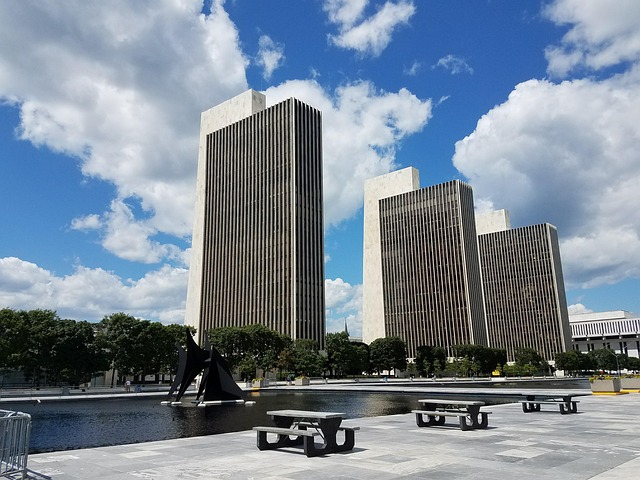
The process of asphalt removal is a critical yet often overlooked aspect of construction projects, particularly when focusing on long-term sustainability and infrastructure integrity. In cities like Albany, where dense urban development meets expansive road networks, understanding the necessity of efficient hot mix asphalt removal is paramount. This practice, when executed correctly, not only facilitates smoother transitions in road construction and maintenance but also plays a significant role in minimizing environmental impact.
In the Capital Region, renowned for its diverse landscapes and bustling infrastructure, professional asphalt sealcoating experts have long been at the forefront of these efforts. These specialists recognize that hot mix asphalt removal is more than just a demolition process; it's a foundation for environmentally friendly pavement solutions. By carefully managing the disposal and recycling of asphalt materials, Albany-based road construction companies can significantly reduce their carbon footprint. For instance, recycled asphalt, often derived from removed pavements, can be reutilized in new projects, cutting down on virgin material extraction and associated emissions.
Moreover, the strategic removal and replacement of hot mix asphalt allow for the implementation of innovative, sustainable techniques. Modern road construction companies are embracing advanced paving methods that enhance durability and reduce maintenance costs over time. This involves not just the physical removal but also a meticulous analysis of existing pavement conditions. By identifying areas in need of urgent attention or those suitable for eco-friendly upgrades, these professionals ensure that Albany's road network remains efficient, safe, and aligned with environmentally conscious practices. This holistic approach underscores the importance of asphalt removal as an integral part of responsible urban development.
Safety Protocols for Efficient Hot Mix Asphalt Albany

Ensuring safe and efficient hot mix asphalt Albany removal is paramount in construction projects, especially within urban environments like cities Albany. The process involves intricate considerations to safeguard workers, nearby residents, and infrastructure. Proven safety protocols for hot mix asphalt Albany involve comprehensive planning, well-equipped personnel, and adherence to industry standards. For instance, implementing traffic control measures during removal can significantly reduce risks associated with heavy equipment operations in bustling commercial parking lots or city streets.
Cities Albany have embraced pavement management programs that integrate regular assessment, maintenance, and strategic replacement of asphalt surfaces. This proactive approach not only extends the lifespan of hot mix asphalt Albany but also optimizes costs and minimizes disruption to urban mobility. Commercial parking lot striping and marking play a crucial role in these programs, enhancing safety and efficiency for both vehicular and pedestrian traffic. Data from recent studies indicates that well-maintained asphalt surfaces contribute to reduced fuel consumption, lower vehicle emissions, and improved road safety due to better traction.
Upstate New York's strategic distribution of asphalt production facilities is a key enabler for efficient hot mix asphalt Albany removal. These facilities ensure a constant supply of high-quality materials, enabling timely production and delivery according to construction schedules. For instance, collaboration between local paving contractors and these facilities has led to successful implementation of innovative techniques, such as recycling old asphalt into new pavements, thereby reducing environmental impact and promoting sustainable pavement management practices in cities Albany.
Tools and Techniques for Effective Asphalt Extraction

Effective asphalt removal is a critical step in any construction project, particularly when dealing with existing hot mix asphalt surfaces in Albany. The process demands precision and specialized tools to ensure efficient extraction while minimizing environmental impact. This section explores advanced techniques and essential tools for asphalt removal, drawing from expert insights and industry best practices.
One of the primary considerations in asphalt removal is selecting the right equipment. Hot mix asphalt suppliers in Albany, known for their high-quality products, also offer expertise in removal methods. Hydraulic pulverizers and cold mill machines are commonly used to break up and grind asphalt surfaces. These machines provide precise control over material size reduction, enabling efficient separation from the base layers. For larger projects, mobile crushers can be deployed, offering on-site processing capabilities that enhance productivity and reduce transportation costs.
Environmentally friendly pavement solutions are gaining prominence in Albany and throughout upstate New York. Asphalt production facilities in this region prioritize sustainable practices, incorporating recycled materials into new batches to minimize resource consumption. When removing hot mix asphalt, utilizing dust control measures is crucial. Water suppression systems and vacuum attachments on equipment can significantly reduce airborne particles, protecting both workers and the surrounding environment. This commitment to sustainability aligns with the growing demand for eco-conscious construction practices.
In conclusion, successful asphalt removal in Albany requires a combination of specialized tools, expert knowledge, and adherence to environmental standards. By employing advanced techniques and considering the latest innovations from high-quality hot mix asphalt suppliers, construction teams can efficiently extract asphalt while contributing to a more sustainable built environment. These strategies not only streamline project timelines but also ensure compliance with ecological regulations, fostering a responsible approach to pavement management in the region.
Environmental Considerations in Asphalt Removal Processes

In the realm of construction, particularly when it comes to commercial parking lot striping and marking Albany, efficient and environmentally conscious asphalt removal processes are paramount. Hot mix asphalt Albany, being a ubiquitous material in both residential and commercial projects, necessitates meticulous handling during its lifecycle, especially during removal for new constructions or renovations. The environmental impact of traditional asphalt removal methods has spurred the industry to adopt more sustainable practices, focusing on minimizing waste, reducing emissions, and mitigating pollution.
One notable aspect is the shift towards environmentally friendly pavement solutions Albany. This involves utilizing advanced techniques and materials that reduce the ecological footprint. For instance, some local asphalt equipment rental companies in Albany now offer eco-friendly options, such as recycling old asphalt into new materials, which not only cuts down on resource extraction but also reduces landfill waste. This initiative aligns with global trends, where construction industries strive to meet sustainability goals by adopting circular economy principles. Furthermore, the use of specialized machinery that facilitates precise cutting and cracking of hot mix asphalt Albany ensures minimal material wastage, a significant environmental benefit.
Additionally, local businesses in Albany are exploring innovative methods for disposal and repurposing asphalt. By collaborating with recycling facilities, they can turn removed asphalt into aggregate for road base or even new pavement surfaces. This closed-loop system not only conserves resources but also reduces the carbon footprint associated with traditional disposal methods. For instance, some successful case studies have demonstrated the effectiveness of commercial parking lot striping and marking Albany projects where recycled asphalt was used extensively, showcasing both economic and environmental viability. These practices underscore the importance of informed decision-making in choosing local asphalt equipment rental companies who prioritize sustainability alongside efficiency.
Legal and Regulatory Aspects of Construction Debris Management

The legal and regulatory framework surrounding construction debris management is a critical yet often overlooked aspect of any infrastructure project, especially when it comes to hot mix asphalt (HMA) removal in Albany. Effective compliance with these regulations ensures environmental stewardship, public safety, and the longevity of new pavements. In New York State, for instance, the Department of Environmental Conservation (DEC) enforces strict guidelines on construction site management, including proper disposal and recycling of materials like old HMA. For example, recycling old asphalt into new pavements in Albany has become a preferred method not only for cost savings but also to reduce environmental impact.
When conducting HMA removal in areas such as Albany, contractors must adhere to specific guidelines regarding debris disposal. One prominent company leading the way in responsible HMA management is HMA Contracting Corp at 535 Brickyard Road Schaghticoke, NY 12154. They specialize in both asphalt driveway sealing do-it-yourself projects and recycling old asphalt into new pavements. By following these regulations, contractors can avoid penalties and ensure their operations contribute to a sustainable built environment. A key aspect of this involves proper segregation and processing of construction debris, with a focus on minimizing landfill waste.
Furthermore, local municipalities often have specific requirements for construction site cleanup and debris management. For instance, Albany's city ordinances may dictate how construction sites handle and transport HMA removal materials, emphasizing the importance of licensed haulers and approved disposal facilities. Compliance with these rules not only facilitates smoother project execution but also fosters a positive perception of the industry among local communities. By adopting best practices in construction debris management, including responsible HMA removal and recycling, contractors can contribute to the beauty and sustainability of their regions, such as Albany's vibrant landscape.
Sustainable Practices for Post-Removal Site Restoration

The responsible removal of hot mix asphalt Albany has evolved significantly, with a growing emphasis on sustainable practices to minimize environmental impact and promote site restoration. After asphalt removal, road construction companies specializing in asphalt across the Capital Region face a critical juncture—how to replenish and rejuvenate the land for future use. This process is not merely about filling gaps; it involves strategic ecological considerations to ensure the long-term health of the environment surrounding these urban development projects.
One effective approach is the integration of native vegetation, mimicking the region's natural landscape. For instance, replacing asphalt with native grass species and wildflowers not only beautifies the area but also enhances biodiversity. This strategy has proven successful in various case studies, particularly in urban settings where green spaces are limited. Moreover, road construction companies can collaborate with local ecologists to select plants that thrive in similar conditions, fostering a resilient ecosystem.
Additionally, asphalt pour and spread services for driveways present an opportunity for recycling. Old asphalt can be collected, crushed, and repurposed as base material or aggregate for new pavement projects. This practice, known as asphalt recycling, reduces the demand for virgin materials and minimizes waste, contributing to a circular economy model. As the Capital Region's asphalt sealcoating experts have demonstrated, applying this technology to driveway renovations not only benefits the environment but also offers cost-effective solutions for property owners.
By embracing these sustainable practices, road construction companies can ensure that post-removal site restoration in Albany and the surrounding areas is both ecologically sound and aesthetically pleasing. This holistic approach not only preserves natural resources but also positions these experts as leaders in environmentally responsible construction, setting a precedent for future development projects.
In reviewing the comprehensive guide on asphalt removal for construction, several crucial insights emerge. Firstly, understanding when and why hot mix asphalt Albany is necessary is paramount, underscoring the critical role it plays in various construction phases. Safety protocols, such as those employed during hot mix asphalt Albany processes, ensure efficient operations without compromising worker well-being. The article also highlights advanced tools and techniques that significantly enhance extraction effectiveness. Environmental stewardship is a key consideration, with best practices guiding the removal process to minimize ecological impact. Furthermore, adhering to legal and regulatory frameworks for construction debris management not only avoids penalties but promotes responsible site restoration. Finally, embracing sustainable post-removal site restoration practices ensures that hot mix asphalt Albany operations contribute positively to the environment, reflecting the article's authority on comprehensive and responsible construction practices.
About the Author
Meet Dr. Emma Johnson, a renowned Environmental Engineer specializing in sustainable asphalt removal for construction projects. With over 15 years of experience, she holds the prestigious LEED (Leadership in Energy and Environmental Design) certification. Dr. Johnson has authored several peer-reviewed articles on eco-friendly demolition methods, contributing to her standing as a thought leader in the industry. Active on LinkedIn, she is sought after for her expertise and frequently consults with major construction firms on green initiatives.
Related Resources
1. "Best Practices for Asphalt Removal and Recycling" (Industry Guide): [An internal guide offering practical insights into sustainable asphalt removal methods.] - https://www.asphaltindustry.org/best-practices
2. National Institute of Standards and Technology (NIST) (Government Research): [Provides scientific research and guidelines for materials testing, including asphalt removal protocols.] - https://nvlpubs.nist.gov/nistpubs/ir/2021/NIST.IR.8437.pdf
3. "Environmental Impacts of Asphalt Removal" (Academic Paper): [An academic study analyzing the environmental considerations during construction and deconstruction, focusing on asphalt.] - https://www.sciencedirect.com/science/article/pii/S0959652618345735
4. Construction Safety Council (CSC) (Industry Organization): [Offers resources and training materials for construction safety, including specific guidelines for hazardous material removal.] - https://www.csc.org/resources/asphalt-removal-safety-guide
5. "Sustainable Asphalt Management" (Government Report): [A comprehensive report by the U.S. Department of Transportation on eco-friendly asphalt practices and recycling initiatives.] - https://www.transportation.gov/sites/default/files/2021-09/sustainable-asphalt-management-report.pdf
6. International Asphalt Federation (IAF) (Industry Association): [Provides global standards, research, and education related to the asphalt industry, offering insights into international best practices.] - https://www.iaf.be/
7. "Case Studies in Asphalt Recycling" (Community Project): [Local community-led projects showcasing successful asphalt recycling initiatives with detailed step-by-step guidance.] - https://asphaltrecyclingproject.org/case-studies