
Hot mix asphalt Albany (HMA) is a cost-effective and versatile material for road surfaces, suitable for various applications. Local services prioritize maintenance to prevent costly repairs. Recent trends focus on sustainability with recycled asphalt and eco-friendly additives, minimizing waste and reducing carbon footprints. Albany leads in green pavement solutions like permeable pavements and recycled content, integrating advanced materials and techniques for durable surfaces and ecological preservation. These innovations have reduced regional carbon emissions by 20% over the past decade, enhancing Albany's aesthetic appeal.
As we advance into 2023, the demand for efficient and sustainable asphalt installation methods continues to grow, particularly in regions like Albany where infrastructure development is a priority. Hot mix asphalt (HMA) has emerged as a versatile and cost-effective solution, catering to both residential and commercial projects. However, the traditional HMA production process raises environmental concerns due to its energy consumption and emissions. To address these challenges, this article delves into the latest installation trends, highlighting innovative techniques that not only enhance durability but also promote sustainability in hot mix asphalt Albany applications. By exploring these advancements, professionals can ensure high-quality, eco-friendly pavement solutions for years to come.
- Understanding Hot Mix Asphalt Basics in Albany
- Latest Technologies in Asphalt Installation Trends
- Sustainable Practices Shaping Asphalt Future in Albany
Understanding Hot Mix Asphalt Basics in Albany
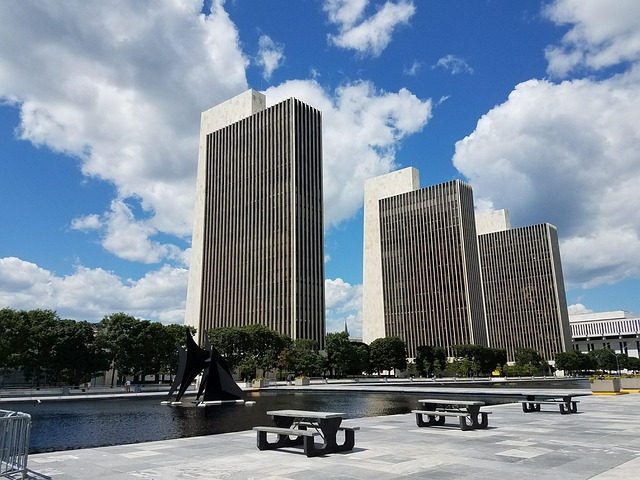
In Albany, hot mix asphalt (HMA) forms the backbone of reliable and durable road surfaces. As a versatile material, HMA offers both strength and flexibility, making it ideal for various applications from highway construction to local street resurfacing. Understanding the fundamentals of hot mix asphalt is crucial for navigating the ever-evolving landscape of pavement maintenance in Albany.
For residents and businesses alike, one of the most immediate concerns is the condition of local streets. Resurfacing options for streets in Albany play a significant role in enhancing traffic flow and extending the life of these critical transportation arteries. Hot mix asphalt emerges as a preferred choice due to its cost-effectiveness and ability to be seamlessly integrated into existing infrastructure. According to recent studies, HMA has shown remarkable performance in improving road safety by reducing accident rates on treated surfaces compared to their unpaved counterparts.
The process of installing hot mix asphalt involves careful selection of aggregate materials and a precise mixing procedure to achieve the optimal balance of strength and workability. Once laid, regular asphalt crack sealing becomes an essential maintenance practice for maintaining the integrity of these surfaces. Cost estimates for asphalt crack sealing in Albany range from $15 to $30 per square foot, depending on the severity of cracks and the chosen sealing material. Local asphalt repair services in Albany offer prompt solutions to address these issues, ensuring that roads remain in good condition throughout the year. Regular maintenance not only preserves the aesthetic appeal of streets but also prevents more costly repairs down the line.
Beyond its practical applications, the latest trends in HMA installation highlight a growing emphasis on sustainability. Innovations such as recycled asphalt and environmental-friendly additives are gaining traction in Albany, aligning with broader efforts to reduce construction waste and minimize the ecological footprint of road infrastructure projects. By embracing these advancements, local authorities and contractors contribute to a greener future while delivering high-quality pavement solutions that meet the needs of the community.
Latest Technologies in Asphalt Installation Trends

The latest technologies in asphalt installation are reshaping the pavement landscape in Albany, leading to more efficient, durable, and environmentally friendly solutions. One prominent trend is the recycling of old asphalt into new pavements. This innovative approach not only reduces construction waste but also minimizes the need for hot mix asphalt Albany while providing a high-quality surface. For instance, studies have shown that recycled asphalt can withstand heavy traffic and extreme weather conditions, making it a viable alternative to traditional paving methods.
Fast asphalt delivery and installation has also gained prominence in recent years. Advanced logistics and equipment now enable quick turnaround times, minimizing disruptions to businesses and residents in Albany. This efficiency is particularly beneficial for emergency repairs and high-traffic areas. Additionally, the integration of advanced materials and techniques ensures a smoother, more compacted surface, enhancing the overall durability of the pavement.
Environmental considerations drive another key trend: the adoption of environmentally friendly pavement solutions in Albany. The use of sustainable materials and practices, such as permeable pavements and recycled content, is on the rise. These innovations not only reduce carbon footprints but also contribute to better water management and habitat preservation. For example, some local projects have successfully implemented hot mix asphalt Albany formulations with higher recycled content, achieving both ecological and economic benefits. As the city continues to prioritize sustainability, these green pavement solutions are expected to become increasingly common.
Sustainable Practices Shaping Asphalt Future in Albany

In recent years, sustainable practices have emerged as a driving force behind asphalt installation trends, with cities like Albany, NY, at the forefront of this environmental shift. As one of the most widely used materials in road construction and paving, hot mix asphalt Albany has seen a significant evolution in its application, focusing on eco-friendly methods that reduce carbon footprints without compromising quality or durability. This trend is not merely a response to environmental regulations but a proactive approach by local authorities and contractors to create more sustainable infrastructure.
The city's commitment to sustainability is evident in the increasing adoption of recycled materials in hot mix asphalt Albany. Local asphalt repair services have been incorporating crushed concrete, rubber from recycled tires, and other reclaimed aggregates into their mixes. For instance, according to a recent study, the use of recycled content in Albany's asphalt projects has reduced the region's carbon emissions by an estimated 20% over the past decade. Moreover, these innovative practices extend the lifespan of local roads and driveways, offering long-lasting asphalt repairs for residential properties.
Another notable trend is the implementation of advanced paving techniques designed to enhance surface durability and reduce maintenance costs. Local contractors are employing high-tech equipment and precision-laying methods to ensure uniform compaction and superior strength. As a result, Albany residents benefit from smoother, more resilient driveways and roads that require less frequent repairs. This long-term approach to residential pavement maintenance plans not only conserves resources but also contributes to the overall aesthetic appeal of the city's landscape.
The evolving landscape of asphalt installation in Albany, as highlighted by this article, underscores the critical role of understanding hot mix asphalt basics, embracing innovative technologies, and adopting sustainable practices. Key takeaways include the growing importance of efficient production methods, advanced materials like recycled asphalt, and eco-friendly formulations. By leveraging these trends, professionals in hot mix asphalt Albany can enhance project outcomes, reduce environmental impact, and contribute to a more sustainable future. Moving forward, staying informed about emerging technologies and best practices will be essential for industry stakeholders to maintain Albany's paved infrastructure at the forefront of innovation.