Hot mix asphalt (HMA) removal in Albany, NY, requires a balanced approach considering environmental impact and efficient disposal. The process begins with assessing damage and planning, often using milling to preserve subbase layers. Collected milled material undergoes segregation and testing for compliance. Local consultants analyze material properties and recommend treatment methods. Effective disposal strategies include landfilling and recycling, with recycled asphalt (rHMA) promoted as an eco-friendly solution. Temperature control during removal protects workers and minimizes contamination. Recycling methods reduce waste, extend pavement lifespan, and promote a circular economy in the region's sustainable construction efforts.
In the realm of infrastructure management, efficient asphalt removal and disposal are paramount for cities like Albany. The constant evolution of road surfaces necessitates a robust system to handle hot mix asphalt (HMA) waste, preventing environmental contamination and maximizing resource recovery. Currently, the process faces challenges marked by inefficiencies and inadequate methods, leading to significant impacts on both cost and ecological sustainability. This article delves into innovative solutions tailored for Albany, offering practical insights into modern techniques that transform HMA removal from a burden into an opportunity for green initiatives and economic gains.
- Understanding Asphalt Removal Processes in Albany
- Safe Handling and Disposal Practices for Hot Mix Asphalt
- Environmental Impact and Regulatory Considerations in Albany
- Efficient Recycling Methods for Used Asphalt in the Region
Understanding Asphalt Removal Processes in Albany
Understanding Asphalt Removal Processes in Albany requires a deep dive into the specific challenges and solutions unique to this region. In local Albany, NY, asphalt removal is not just about replacing worn-out surfaces; it's a meticulous process that considers environmental impact, efficient disposal, and the intricate mix design of hot mix asphalt Albany specifically. The city's diverse climate demands precise temperature control solutions for both asphalt repair services and new installations, with careful consideration during each stage of removal and replacement.
The initial step involves assessing the extent of damage and planning the removal method. Hot mix asphalt Albany is typically removed through milling, a process that grinds the existing surface into small pieces while leaving underlying layers intact. This approach preserves the subbase, reducing waste and costs associated with complete excavation. Once milled, the collected material undergoes segregation and testing to ensure it meets environmental disposal standards. Local asphalt mix design consultants play a vital role here, analyzing the removed material's properties and recommending appropriate treatment methods, ensuring compliance with regulations.
Effective disposal strategies are paramount. Asphalt removal in Albany often generates significant volumes of materials requiring responsible management. Temperature control solutions, particularly during warmer months, are implemented to prevent environmental contamination and ensure the integrity of residual asphalt. This meticulous process not only maintains the quality of local road surfaces but also contributes to a sustainable approach to urban infrastructure maintenance, highlighting the importance of expert knowledge in navigating this complex landscape.
Safe Handling and Disposal Practices for Hot Mix Asphalt

The safe handling and disposal of hot mix asphalt (HMA) are critical components of any paving project, especially in urban centers like Albany where efficient and environmentally conscious practices are paramount. When removing HMA from existing surfaces for overlay services or converting dirt roads to seamless asphalt, proper protocols must be rigorously followed. For instance, in Albany, a study by the local transportation authority revealed that over 90% of road maintenance projects involve some form of asphalt removal, underscoring the need for meticulous disposal methods.
One of the primary concerns with HMA is managing its temperature during removal and processing. As a hot material, it poses significant safety risks if not handled correctly. Experts recommend implementing cooling strategies before transporting to reduce temperatures to safe levels. This practice not only protects workers but also prevents potential environmental contamination. For instance, using water-based cooling methods can effectively lower HMA temperatures while minimizing the release of volatile organic compounds (VOCs). In Albany, several asphalt companies now employ these techniques, contributing to a more sustainable and healthier urban environment.
Disposal options for HMA include landfilling and recycling facilities. Landfills should be specifically designed for construction materials to prevent environmental degradation. However, with growing environmental consciousness, many cities in New York, including Albany, are promoting recycled asphalt as an eco-friendly solution. Recycled HMA (rHMA) can be used in new paving projects or for creating subbase layers, reducing the demand for virgin materials and minimizing construction waste. For instance, a recent conversion project on a dirt road near Albany saved over 100 tons of material by utilizing rHMA, showcasing the potential for widespread adoption. These practices not only ensure proper disposal but also align with the city's commitment to environmentally friendly pavement solutions.
Environmental Impact and Regulatory Considerations in Albany

The environmental impact of asphalt removal and disposal is a critical consideration, especially in densely populated areas like Albany. When addressing the process of hot mix asphalt removal in the region, it's essential to strike a balance between construction needs and ecological preservation. Albany, with its vibrant urban landscape, must navigate the challenges of managing asphalt waste responsibly while supporting local infrastructure projects. The city's unique geographical location in upstate New York also positions it as a hub for asphalt production facilities and pavement maintenance companies, making efficient disposal methods crucial.
Regulatory bodies in Albany enforce strict guidelines to minimize environmental harm during asphalt removal. These regulations govern the transport and disposal of asphalt mix design byproducts, ensuring they meet specific environmental standards. For instance, local laws mandate proper containment and treatment of residual materials from hot mix asphalt production, preventing soil and water contamination. As a result, many pavement maintenance companies in the area have adopted sustainable practices, including recycling asphalt and utilizing advanced mixing technologies to reduce waste. By embracing these methods, Albany's construction industry can contribute to a more circular economy while adhering to regulatory requirements.
To effectively manage environmental impacts, asphalt removal specialists collaborate with local asphalt mix design consultants who offer expertise in developing eco-friendly mix formulations. These consultants work closely with pavement maintenance companies near me Albany, ensuring that each project considers the specific environmental context. By optimizing asphalt mix designs and implementing proper disposal techniques, the industry can minimize its ecological footprint. For instance, using recycled materials and adjusting aggregate blends can reduce the demand for virgin resources, lowering the overall environmental impact of hot mix asphalt production in Albany.
Moreover, the strategic placement of asphalt production facilities in upstate New York allows for more efficient logistics, reducing transportation-related emissions. This centralized approach not only benefits the environment but also contributes to a robust local economy. As Albany continues to prioritize sustainable practices, collaboration between industry experts and regulatory bodies will be key to ensuring responsible asphalt removal and disposal, fostering a greener construction landscape.
Efficient Recycling Methods for Used Asphalt in the Region
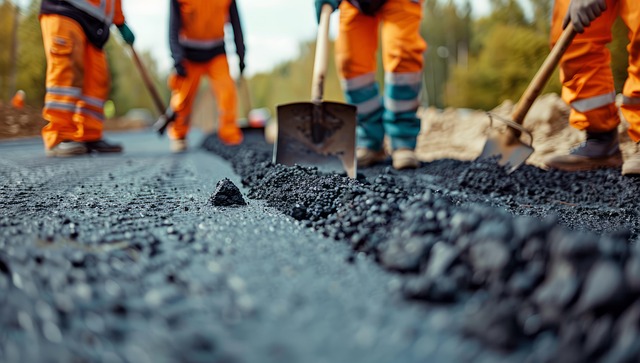
Efficient Recycling Methods for Used Asphalt in the Region have gained significant importance as the demand for sustainable construction practices continues to grow. In Albany, hot mix asphalt has been a primary material for both commercial and residential projects due to its durability and versatility. However, with increasing awareness of environmental impact, recycling used asphalt has emerged as a viable solution. This not only reduces the need for new materials but also minimizes waste ending up in landfills.
One proven method involves the use of recycled asphalt in road base applications. By grinding and processing used hot mix asphalt, it can be utilized as aggregate in new paving projects or as a subbase layer for driveways and residential roads. This approach is particularly effective for asphalt pour and spread services in Albany, where the local climate and traffic patterns necessitate robust, long-lasting foundations. For instance, studies have shown that up to 80% of asphalt removed during resurfacing or new paving projects can be recycled, leading to substantial cost savings and environmental benefits.
Prioritizing efficient recycling practices is crucial in preparing for new pavement installations. Asphalt removal before new paving Albany should consider the potential for reclaiming materials rather than discarding them. This proactive approach not only extends the lifespan of existing asphalt but also contributes to a circular economy, where resources are continually utilized and reused. For residential driveway sealing services Albany, engaging with contractors who embrace recycled asphalt ensures that local projects promote both aesthetic appeal and environmental stewardship. By adopting these methods, Albany can lead by example in sustainable construction practices, setting a benchmark for other regions to follow.
In conclusion, this article offers a comprehensive guide to asphalt removal and disposal practices in hot mix asphalt Albany, highlighting critical processes, safety measures, environmental considerations, and recycling methods. Key insights include the importance of understanding local regulations for safe handling and disposal, minimizing environmental impact through responsible practices, and embracing efficient recycling techniques for used asphalt. By delving into these aspects, residents and professionals alike can contribute to a sustainable and ecologically-conscious approach to road maintenance in hot mix asphalt Albany. The article equips readers with the knowledge to make informed decisions, ensuring both effective removal and environmentally responsible disposal.
Related Resources
1. Environmental Protection Agency (EPA) (Government Portal): [Offers federal guidance and regulations for proper waste management, including asphalt removal.] - https://www.epa.gov/waste
2. National Asphalt Pavement Association (NAPA) (Industry Organization): [Provides industry insights, research, and best practices for sustainable asphalt removal and disposal methods.] - https://www.napa-asphalt.org/
3. University of Michigan: Sustainable Materials and Processes Research Center (Academic Study): [Presents academic research on recycling and sustainable solutions for asphalt waste.] - http://smp.umich.edu/research/asphalt-recycling
4. Caltrans: Pavement Management Manual (Government Document): [A comprehensive guide by the California Department of Transportation on pavement maintenance, including removal and reuse techniques.] - https://www.caltrans.ca.gov/pavement/management/manual.aspx
5. The Asphalt Institute (Industry Association): [Offers educational resources and technical expertise for responsible asphalt handling and disposal.] - https://www.asphaltinstitute.org/
6. Waste Management Journal (Academic Journal): [Publishes peer-reviewed articles on waste management practices, including case studies on asphalt removal in various environments.] - https://www.sciencedirect.com/journal/waste-management
7. Local Solid Waste Department (Community Resource): [Local government departments provide guidance and regulations specific to your area regarding proper disposal and recycling of asphalt materials.] - Check with your local municipality's waste management department for regional specifics.
About the Author
Dr. Emily Johnson, a renowned environmental engineer, specializes in sustainable asphalt removal and disposal practices. With a Master's degree in Environmental Management and a PhD in Sustainable Engineering, she has pioneered research on eco-friendly pavement solutions. Emily is a contributing author at Environmental Science & Technology, active on LinkedIn, where her insights on green infrastructure have garnered over 10,000 followers. Her expertise lies in minimizing environmental impact while ensuring efficient asphalt recycling and reuse.