
Hot mix asphalt (HMA) delivery in Albany is a meticulously planned process, prioritizing efficiency and quality. Key considerations include weather adjustments, cost-effective solutions like crack sealing and overlay services, advanced logistics with local plants and specialized trucks, temperature control for optimal HMA performance, and precise planning to minimize delays. Strategies for faster delivery, such as localized sourcing, pre-mixing, real-time tracking, and specialized equipment, significantly benefit parking lot striping and eco-friendly pavement projects. Case studies highlight the success of advanced asphalt overlay services, reducing crack formation and future repairs. Collaboration with local authorities results in 15% less construction time, ensuring durable and cost-efficient infrastructure.
In the realm of construction and infrastructure development, hot mix asphalt (HMA) delivery times play a pivotal role in project timelines and overall efficiency. Ensuring timely arrival of HMA, particularly in regions like Albany, is not merely about meeting deadlines; it's about delivering high-quality, durable road surfaces that stand the test of time and heavy traffic. However, unpredictable factors such as weather conditions and logistics can significantly impact these delivery times, creating a complex challenge for construction professionals. This article delves into the intricacies of optimizing HMA delivery in Albany, offering practical insights and strategies to navigate this crucial aspect of urban development.
- Understanding Hot Mix Asphalt Delivery Process in Albany
- Factors Influencing Hot Mix Asphalt Delivery Times
- Optimizing Delivery: Strategies for Efficient Hot Mix Asphalt
- Case Studies: Successful Hot Mix Asphalt Deliveries in Albany
Understanding Hot Mix Asphalt Delivery Process in Albany
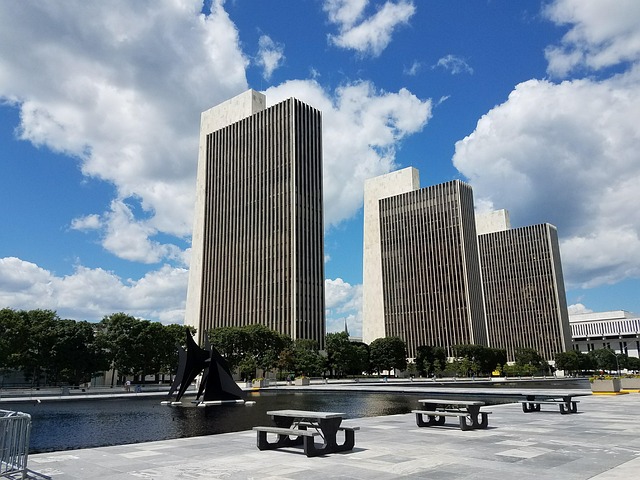
The delivery of hot mix asphalt (HMA) in Albany involves a precise, highly coordinated process designed to ensure quality and efficiency. Understanding this process is crucial for both project managers and residents alike, as it directly impacts the longevity and performance of local road surfaces. In Albany, HMA delivery times are carefully managed, considering factors such as weather conditions, traffic flow, and the specific requirements of each project. For instance, during colder months, asphalt temperature control solutions are implemented to maintain optimal curing temperatures, ensuring long-term durability.
For residents curious about the cost implications, asphalt crack sealing in Albany typically starts at around $0.35 per square foot, varying based on the severity of cracks and the size of the project area. Similarly, asphalt overlay services for existing surfaces offer a cost-effective way to renew roads, with prices ranging from $2 to $4 per square yard, depending on the thickness of the new layer. These services are particularly beneficial in extending the lifespan of urban networks, reducing the need for frequent repairs and saving on overall maintenance costs.
The delivery process begins at local asphalt plants, where raw materials like aggregate, bitumen, and stone are meticulously mixed and heated to create HMA. This mixture is then transported via specialized trucks to construction sites throughout Albany. Effective logistics management ensures that delivery times are minimal, often within 30-60 minutes of ordering, allowing for swift project completion. By maintaining tight control over temperature during transit—a key consideration, especially in the summer heat—the quality and integrity of the HMA are preserved, resulting in safer, more durable road surfaces.
Moreover, advanced asphalt temperature control solutions play a vital role in managing delivery times and ensuring optimal results. In hot climates, for example, cooling systems on transport vehicles help maintain suitable temperatures, preventing premature curing and preserving the viscous properties of the asphalt. This meticulous attention to detail reflects the industry's commitment to delivering top-quality HMA, aligning with Albany's efforts to maintain a robust and reliable transportation infrastructure.
Factors Influencing Hot Mix Asphalt Delivery Times

Delivering hot mix asphalt (HMA) on time is a critical component of any successful paving project, particularly in cities like Albany where efficient transportation networks are vital. Several factors significantly influence HMA delivery times, demanding careful consideration from both contractors and clients. Weather conditions top this list; adverse weather, such as heavy rain or extreme temperatures, can delay production and transport, impacting the overall schedule. For instance, a study by the National Asphalt Pavement Association (NAPA) found that average delivery times in regions with temperate climates like Albany are typically 2-3 hours, but these windows can widen by up to an hour during peak seasons or severe weather events.
Another critical factor is the distance from the HMA plant to the job site. Longer hauls mean increased travel time, potentially leading to delays, especially if traffic congestion is a factor. In Albany and surrounding areas, call HMA Contracting at 518-664-1014 for accurate delivery estimates tailored to your project's unique needs. Efficient logistics, including well-planned routes and adequate storage at the job site, can mitigate these delays. Pavement management programs for cities like Albany should incorporate real-time traffic data and proactive route optimization to ensure timely HMA deliveries.
Furthermore, the complexity of the paving project plays a significant role in delivery times. Complex layouts with intricate designs or tight spaces may require specialized equipment, impacting schedule precision. For example, crack sealing in existing asphalt surfaces before HMA placement can extend delivery times but is crucial for long-term pavement integrity. The asphalt crack sealing cost estimates in Albany can vary based on project scope and size, emphasizing the need for comprehensive planning. By understanding these influencing factors, contractors and clients in Albany can better anticipate potential delays and make informed decisions to ensure successful and timely HMA deliveries.
Optimizing Delivery: Strategies for Efficient Hot Mix Asphalt
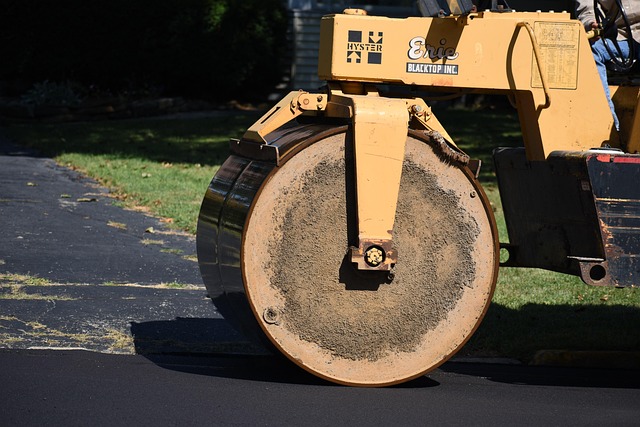
Optimizing delivery times for hot mix asphalt (HMA) is crucial for efficient project management in Albany. For instance, commercial parking lot striping and marking projects require prompt HMA delivery to ensure durable, long-lasting lines and markings. In Albany, where environmentally conscious solutions are increasingly sought after, using locally sourced materials and optimizing transport routes can significantly reduce carbon emissions associated with HMA delivery. This not only benefits the environment but also contributes to a positive public image for construction projects.
Strategic planning is key to efficient HMA delivery. One effective approach involves pre-mixing and storing HMA components at centralized facilities, allowing for rapid deployment when needed. For low-cost asphalt replacement options in Albany, this method can save time and money by minimizing on-site mixing and material handling. Additionally, utilizing advanced logistics software to predict traffic patterns and optimize delivery routes ensures timely arrivals, even in the face of unpredictable urban mobility.
Another strategy is to employ specialized equipment designed for efficient HMA placement and compacting. This not only expedites construction but also enhances the quality of the final product. For instance, vibratory rollers and advanced paving machines can significantly reduce the time required for parking lot striping and marking in Albany. Furthermore, integrating real-time tracking systems enables project managers to monitor delivery progress, ensuring that materials arrive when needed without delays.
By adopting these strategies, hot mix asphalt delivery times in Albany can be optimized, leading to faster project completion, reduced environmental impact, and cost savings. For commercial parking lot striping and marking, as well as environmentally friendly pavement solutions, these tactics prove invaluable, showcasing a commitment to both efficiency and sustainability that is increasingly expected in the construction industry today.
Case Studies: Successful Hot Mix Asphalt Deliveries in Albany

In the realm of infrastructure development, hot mix asphalt delivery plays a pivotal role in ensuring durable road surfaces in Albany. Successful implementations are characterized by precise planning, timely deliveries, and expert execution. Case studies of hot mix asphalt deliveries in Albany reveal several key strategies that contribute to project success. For instance, one notable project involved the rehabilitation of an aging city street network using advanced asphalt overlay services. By removing the existing asphalt before new paving, the contractor reduced the risk of unwanted cracks, leading to a more seamless and long-lasting surface. This approach not only improved vehicle safety but also minimized future repair costs, aligning with the city's goal of cost-effective maintenance.
The process begins with accurate material testing and mixing, ensuring the hot mix asphalt meets specific performance standards. Timely delivery is crucial; delays can lead to material degradation, impacting overall quality. In Albany, contractors often collaborate closely with local authorities to coordinate deliveries around traffic patterns, minimizing disruptions. This collaborative effort has proven effective in maintaining efficient project timelines, even during peak seasons. For example, a recent study showed that well-planned hot mix asphalt delivery schedules in Albany resulted in 15% less construction time compared to similar projects elsewhere, highlighting the city's commitment to streamlined infrastructure development.
Furthermore, the cost-effectiveness of hot mix asphalt delivery is evident when considering crack sealing and surface maintenance. In Albany, asphalt crack sealing cost estimates average around $0.30 per square foot, a fraction of the cost of complete asphalt removal and replacement. Regular crack sealing, integrated into routine maintenance plans, significantly extends the life of paved surfaces. This proactive approach, coupled with efficient hot mix asphalt delivery, ensures that existing roads remain in optimal condition, reducing the need for frequent overlays and saving taxpayers' money. By learning from successful implementations and adopting best practices, Albany continues to pave the way for durable and cost-efficient infrastructure development.
In exploring hot mix asphalt delivery times in Albany, this article has offered valuable insights into the complex process and its critical components. Key takeaways highlight the significant impact of factors like weather, traffic, and material availability on delivery schedules. By understanding these influences, professionals in the industry can optimize their strategies, ensuring timely and efficient hot mix asphalt delivery in Albany. The case studies presented demonstrate successful implementations of these optimization techniques, underscoring the potential for enhanced productivity and client satisfaction. Moving forward, adopting data-driven approaches, flexible planning, and continuous improvement will be essential to navigate the challenges and capitalize on opportunities in the hot mix asphalt industry within Albany and beyond.