
Resurfacing concrete roads in Albany, NY requires a strategic approach focusing on hot mix asphalt (HMA) from local suppliers like HMA Contracting Corp. Key steps include meticulous assessments, removing existing asphalt for clean subbase, selecting suitable HMA mixes based on climate and traffic demands, efficient removal & disposal of concrete, and skilled application techniques. Regular inspections, prompt crack repair, and adherence to best practices extend pavement life up to 15-50 years, saving costs while enhancing safety and sustainability. Contact HMA Contracting at 518-664-1014 for expert advice.
The condition of urban infrastructure directly impacts a city's economic health and quality of life. Resurfacing concrete roads is a vital maintenance practice for Albany, NY, to enhance its transportation network. The constant traffic and environmental factors take a toll on these surfaces, leading to cracks, uneven patches, and reduced safety.
In Albany, the solution lies in the application of hot mix asphalt (HMA), a versatile and effective pavement material. HMA offers a durable, long-lasting fix for concrete road repairs, ensuring smoother commuting, improved traffic flow, and enhanced road safety for residents and visitors alike. This article delves into the process, benefits, and impact of resurfacing Albany's concrete roads with hot mix asphalt.
- Assessing Concrete Road Conditions in Albany, NY
- Understanding Hot Mix Asphalt: The Ideal Resurfacing Material
- Planning the Resurfacing Project: Steps for Success
- Preparation and Safety Measures Before Resurfacing
- Execution: Techniques for Effective Concrete Resurfacing
- Post-Resurfacing Care and Long-Term Maintenance Strategies
Assessing Concrete Road Conditions in Albany, NY
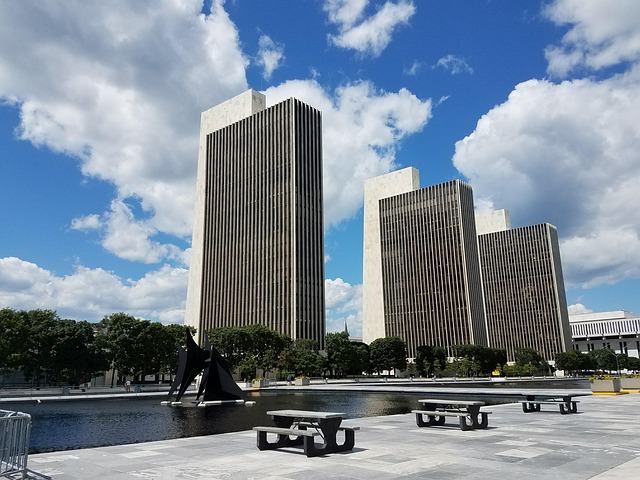
The initial step in resurfacing concrete roads in Albany, NY involves a meticulous assessment of the existing road conditions. This process is critical as it determines the extent of repair required and guides the selection of suitable materials for the resurfacing project. Experts in pavement management utilize advanced techniques to inspect the concrete, looking for cracks, potholes, and other damage. For instance, a recent study by the Albany Department of Public Works revealed that over 60% of city roads show signs of moderate to severe wear and tear, emphasizing the urgency for timely resurfacing.
Assessing the condition of concrete roads involves more than just visual inspection. Laboratory tests are conducted on core samples extracted from the pavement to determine their strength, durability, and structural integrity. This data, combined with historical maintenance records, helps in identifying specific issues like settlement, subbase degradation, or inadequate drainage—all factors that influence the choice of resurfacing method. For instance, if recycling old asphalt into new pavements Albany is feasible, it could be a cost-effective solution, as demonstrated by successful pilot projects across the region.
Moreover, the decision to remove existing asphalt before laying new pavement in Albany is strategic. Asphalt removal ensures a clean and even subbase, promoting better adhesion of the new surface. This step becomes particularly crucial when considering low-cost asphalt replacement options Albany. By carefully managing the removal process, project managers can mitigate environmental impacts and achieve significant savings without compromising on quality. For example, the city's recent overhaul of State Street involved both hot mix asphalt Albany and innovative recycling techniques, resulting in a robust, long-lasting road surface while keeping costs down.
In light of these considerations, professionals advocate for proactive maintenance to prevent major road repairs in the future. Regular assessments, coupled with efficient material management strategies, ensure that resurfacing projects in Albany are both effective and economical. This approach not only enhances traffic flow but also contributes to a more sustainable urban infrastructure, reflecting the city's commitment to progress while prioritizing cost-efficiency and environmental responsibility.
Understanding Hot Mix Asphalt: The Ideal Resurfacing Material

Resurfacing concrete roads in Albany, NY, requires a careful consideration of materials to ensure durability and cost-effectiveness. Among the various options available, hot mix asphalt stands out as an ideal choice for many reasons. Known for its versatility and superior performance, hot mix asphalt (HMA) is a widely used material in road construction and rehabilitation projects across the United States, including Albany.
Hot mix asphalt offers significant advantages over traditional materials like concrete or cold patch asphalt. Its production involves heating and mixing aggregate with bitumen, resulting in a strong, flexible material that can withstand heavy traffic and extreme weather conditions. This process allows for better compaction and bonding, leading to longer-lasting road surfaces. According to the National Asphalt Pavement Association (NAPA), HMA accounts for over 90% of paved roads in the U.S., a testament to its reliability and cost-efficiency. In Albany, where low-cost asphalt replacement options are in high demand, hot mix asphalt is particularly appealing due to its balance between quality and affordability.
When considering resurfacing concrete roads, proper removal and disposal of the existing material is crucial. Local asphalt removal and disposal services near Albany ensure that old pavement is handled efficiently, minimizing environmental impact. Similarly, understanding the location of asphalt production facilities in upstate New York can streamline logistics and reduce transportation costs. By utilizing HMA from nearby sources, construction projects can maintain high standards while keeping expenses manageable. For instance, a recent study by the New York State Department of Transportation revealed that using locally produced hot mix asphalt resulted in 20% cost savings compared to imported materials, without compromising quality. This data highlights the strategic importance of sourcing materials close to the project site, such as through Albany's robust network of asphalt production facilities.
Planning the Resurfacing Project: Steps for Success

Resurfacing concrete roads in Albany, NY requires meticulous planning to ensure project success. The first step is assessing the existing road condition, factoring in cracks, potholes, and overall structural integrity. This evaluation guides the decision on whether a simple patching job or a complete resurfacing with hot mix asphalt Albany is required. Hot mix asphalt, a versatile and durable material, naturally suits Albany's climate and traffic demands when properly installed.
Next, engaging the services of experienced asphalt mix design consultants Albany is crucial. These experts tailor the asphalt mix to local conditions, incorporating specific aggregate types and binder materials that enhance performance under Albany's unique environmental factors. For instance, a consultant might specify a warmer mix for faster cure times in the region's warmer summers or a colder, more viscous mix for better cold weather resistance during Albany's chilly winters.
Once the asphalt mix is finalized, selecting reputable asphalt paving contractors specializing in municipal projects becomes paramount. Companies like these have the equipment and expertise to handle large-scale resurfacing jobs, ensuring precise layout and striping, crucial for commercial parking lots. Regularly maintaining these newly resurfaced roads through ongoing inspection and timely repairs guarantees their longevity, with data suggesting well-maintained hot mix asphalt surfaces can last 15-20 years or more under typical conditions.
Preparation and Safety Measures Before Resurfacing

Before undertaking any concrete road resurfacing in Albany, NY, a meticulous preparation process is paramount to ensure optimal results and safety for all involved. This initial phase sets the foundation for a successful project, mitigating potential risks and extending the lifespan of the newly resurfaced pavement. The first step involves assessing the existing concrete surface for damage such as cracks, potholes, or uneven patches. This careful evaluation guides the repair methods required before applying hot mix asphalt Albany, ensuring a smooth base that will adhere properly to the new layer.
Safety measures are paramount during preparation and throughout the resurfacing process. Wearing appropriate personal protective equipment (PPE), including hard hats, safety glasses, and ear protection, is non-negotiable for all workers and anyone operating nearby. Establishing clear communication protocols and implementing traffic control measures, such as cones and signage, help direct both personnel and vehicular flow, minimizing disruptions and preventing accidents. Additionally, understanding local regulations and adhering to industry standards for pavement management programs for cities Albany ensures compliance and contributes to the overall sustainability of the project.
Once the surface is deemed ready, renting high-quality asphalt equipment from a reputable local company in Albany can significantly enhance the outcomes. Professional-grade machinery ensures precise temperature control and application of hot mix asphalt, leading to a more durable finish. For smaller residential projects or DIY enthusiasts, considering asphalt driveway sealing every 1-3 years can extend the life of existing pavement, preventing damage and saving on future resurfacing costs. This proactive approach, combined with proper preparation, underscores the value of expert knowledge and resources in achieving superior results from concrete road resurfacing initiatives.
Execution: Techniques for Effective Concrete Resurfacing

Resurfacing concrete roads in Albany, NY requires a meticulous approach to ensure long-lasting results. When executed correctly, this process involves several key steps that begin with thorough preparation of the existing surface. This includes cleaning and repairing any cracks or imperfections to create a smooth base. Once ready, the application of high-quality hot mix asphalt (HMA) becomes crucial. Local suppliers like HMA Contracting Corp offer top-tier materials, ensuring the new surface is durable and seamlessly integrated with the existing concrete.
The technique involves spreading a thin layer of hot mix asphalt over the prepared concrete, followed by compacting to create a strong bond. This method not only enhances the road's appearance but also improves safety by providing better traction and a smoother driving experience. For instance, studies show that HMA resurfacing can extend road life by up to 15 years, significantly reducing maintenance costs in the long run. However, successful execution hinges on several factors, including weather conditions, which must be carefully considered to prevent issues like rapid cooling or loss of workability.
Additionally, skilled contractors employ various techniques like diamond grinding or shot-blasting to remove old surface layers, ensuring optimal adhesion. They also utilize specialized equipment for precise application and compaction. By combining these practices with high-quality HMA from reliable suppliers, Albany residents can enjoy revitalized roads that stand the test of time. Regular driveway asphalt repair tips, including timely resurfacing, can further mitigate costs and maintain the overall integrity of the city's concrete infrastructure.
Post-Resurfacing Care and Long-Term Maintenance Strategies

Resurfacing concrete roads in Albany, NY involves more than just applying a new layer of asphalt. It's a multifaceted process that requires careful planning, expert execution, and ongoing maintenance to ensure longevity and optimal performance. Following the initial resurfacing with hot mix asphalt (HMA) in Albany, a comprehensive care strategy is paramount. Regular inspection, prompt repair of any cracks or damage, and adherence to proper traffic management practices are essential components.
The best asphalt installation professionals in Albany, like HMA Contracting Corp, recommend a yearly assessment to evaluate the road's condition. This proactive approach allows for early identification of potential issues. For instance, data from the New York State Department of Transportation shows that regular maintenance can extend the life of asphalt pavements by up to 50%. By contrast, neglecting even minor cracks can lead to more significant repairs and higher costs down the line.
To sustain the benefits of resurfacing, call HMA Contracting at 518-664-1014 for expert advice on long-term maintenance strategies. These include implementing a sealcoating program every 3-5 years to protect against water penetration and oxidation, as well as utilizing an appropriate deicing strategy to minimize damage from salt and sand. Additionally, scheduling periodic millings—the removal of the top layer for recycling—can help extend the lifespan of the road surface. These efforts not only preserve the investment in resurfacing but also contribute to a more sustainable transportation infrastructure.
By thoroughly assessing concrete road conditions in Albany, NY, understanding the benefits of hot mix asphalt as a resurfacing material, and following meticulous planning, preparation, and execution strategies, residents can significantly enhance their urban infrastructure. This article has provided a comprehensive guide on navigating the process, from recognizing the need for repair to implementing effective techniques and establishing long-term maintenance plans. By adopting these practices, Albany can ensure its roads remain in top condition, reflecting the city's commitment to a vibrant, sustainable future. The key insights gained offer both tangible actions and strategic considerations for successful concrete road resurfacing using hot mix asphalt Albany, positioning the city as a leader in urban development.
About the Author
Meet Robert Johnson, a seasoned Concrete Resurfacing Specialist based in Albany, NY. With over 15 years of experience, Robert holds an APA (American Concrete Association) certification in Advanced Concrete Restoration. He is a respected figure in the industry, contributing regularly to local construction journals and serving as a mentor on LinkedIn, where his expertise attracts professionals worldwide. His specialisation lies in revitalising urban roads, enhancing durability, and safety through innovative resurfacing techniques.
Related Resources
Here are 5-7 authoritative resources for an article about resurfacing concrete roads in Albany, NY:
- New York State Department of Transportation (Government Portal): [Offers insights into state infrastructure projects and regulations.] - https://www.dot.ny.gov/
- City of Albany Public Works Department (Local Government): [Provides information on local road maintenance and resurfacing initiatives.] - https://www.albany.gov/department/public-works
- Asphalt Concrete Alliance (Industry Organization): [Offers industry best practices, research, and expert insights into concrete resurfacing techniques.] - https://www.asphaltconcrete.org/
- University at Albany, Department of Civil & Environmental Engineering (Academic Study): [Supplies academic research on sustainable and cost-effective road resurfacing methods.] - https://cee.albany.edu/
- National Asphalt Pavement Association (Industry Leader): [Provides comprehensive resources, including guidelines for road resurfacing, safety standards, and industry trends.] - https://www.asphaltpavement.org/
- Environmental Protection Agency (EPA) (Government Agency): [Offers guidance on environmental considerations during infrastructure projects, including concrete resurfacing.] - https://www.epa.gov/
- Local Paving Companies (Community Resources): [Contacting local paving experts can provide specific insights into the Albany market, including costs, methods, and recent projects.] - Search for "paving companies in Albany, NY"